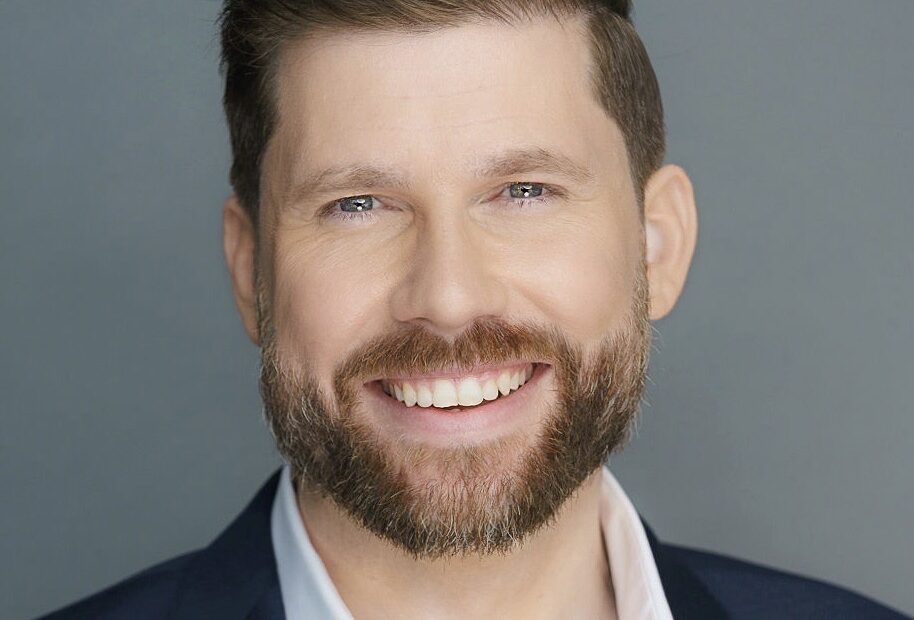
John Pascarella, Ph.D. is a professor of clinical education at the University of Southern California Rossier School of Education and Chief Academic Officer of the USC Race and Equity Center. With a career spanning K–12 teaching, teacher preparation, and educational leadership, his work focuses on making equity tangible, teachable, and actionable across educator preparation systems. His areas of expertise include racial equity, critical pedagogy, adult learning, digital media literacy, LGBTQ+ inclusion, and organizational change. Through his teaching, scholarship, and public writing including contributions to outlets such as EdSource, Inside Higher Education, and The 74, he advances research-informed approaches to preparing educators and leaders capable of navigating complex political and educational landscapes.
In his everyday work, Pascarella designs learning environments that help aspiring educators and leaders critically examine how policy, curriculum, and leadership decisions shape opportunity. Beyond the university, he partners with K–12 schools and districts to develop equity-centered leadership initiatives and publishes policy briefs and reports to ensure research reaches practitioners in real time.
A long-standing member of the California Council on Teacher Education (CCTE), Pascarella has served as an institutional delegate, elected board member, and Chair of the Communications Committee. In this role, he has helped strengthen CCTE’s statewide voice by expanding digital engagement, elevating member scholarship, and advancing collaborative advocacy efforts focused on multilingual teacher equity, sustainable teacher pathways, Ethnic Studies preparation, and mentor teacher support. Pascarella is especially proud of helping to grow CCTE’s visibility and influence during a politically complex moment for educator preparation. Through collective advocacy, coalition-building, and a shared commitment to principled collaboration, he continues to work alongside colleagues across California to advance equity, excellence, and innovation in teacher education.

What is your area of expertise?
My areas of expertise include racial equity, digital media literacy, critical pedagogy, adult learning, LGBTQ+ inclusion, and organizational change. Some notable publications include:
Pascarella, J. (2026, January 13). “DEI Isn’t Failing. We Are. Missteps in the classroom reflect a lack of faculty preparation, not a failure of diversity, equity, and inclusion.” Inside Higher Education.
Pascarella, J. (2025, December 16). “Title I Doesn’t Belong in the Department of Labor. Shifting America’s largest program threatens low-income students across every region of the country.” The 74 Million.
Pascarella, J., & Escalante, K. (2025, November 30). “California must invest in a multilingual teacher workforce.” Opinion. The Sacramento Bee.
Burnes, T., & Pascarella, J. (2025). “Centering Celebratory Drag Pedagogies in Genderqueer-Evasive K-12 School Leadership Preparation Programs.” International Journal of Qualitative Studies in Education. Special Issue: The Library is Open: Drag Pedagogies in a Time of Drag Bans.
Pascarella, J. (2024). “As Book Bans Reach Historic Levels, More Educators Should Get Involved in School Governance. Increased Participation Could Mean More Support in the Fight Against Censorship.” The Hechinger Report.
Pascarella, J. (2024). “Why Book Bans are Occurring in Schools and What is Being Done to Stop Them.” In Royel M. Johnson and Shaun R. Harper (Eds.) The Big Lie About Race in America’s Schools. Cambridge: Harvard Education Press.
Pascarella, J. (2023, July 10). “Now that the Court has ruled on affirmative action, what must school leaders know?” Education Week, Equity & Diversity: Opinion.
Pascarella, J., & Silva, E. (2023, April). “Truth in Design: A Three-Dimensional Theory of Change for Race-Conscious Leadership Development.” Chicago, IL: American Educational Research Association. Published Conference Paper.
Samkian, A., Pascarella, J., & Slayon, J. (2021). “Towards an Anti-Racist, Culturally Responsive, and LGBTQ+ Inclusive Education: Developing Critically Conscious Instructional Leaders.” Co-authored with Artineh Samkian and Julie Slayton. In Cain, E., Filback, R., and Crawford, J. (Eds.) Cases on Academic Program Redesign for Greater Racial and Social Justice. IGI Global.
How long and in what capacity have you served CCTE?
I have served as a member since 2010, as an institutional delegate from 2011-2019 and 2024-present. Since 2025, I have served as an elected member of the board and chair of the communications committee.
How do you achieve your commitment to equity, excellence, and innovation in educator preparation in your everyday work as a teacher educator? In your work for CCTE?
In my everyday work as a teacher educator at the USC Rossier School of Education and as Chief Academic Officer of the USC Race and Equity Center, I strive to make equity tangible, teachable, and actionable. In my courses—such as EDUE 703 (Power, Diversity, and Equity) and EDUE 724 (Culturally Responsive Instructional Leadership)—I design learning environments that help aspiring instructional leaders examine how policy, curriculum, and leadership decisions shape opportunity. I revise syllabi, assignments, and assessments to increase alignment, accessibility, and applied impact, and I study my own teaching through action research to continuously improve how we prepare leaders to navigate political polarization while remaining grounded in racial and educational justice.
Beyond the university classroom, I partner directly with K–12 schools and districts to design racial equity leadership labs, student leadership academies, and equity-focused strategic advising initiatives. I also publish practice briefs, policy reports, op-eds, and peer-reviewed scholarship to ensure that research-informed strategies reach educators working in real time under shifting policy conditions.
In my work for CCTE, I translate that same commitment into collective action. As an elected board member and Communications Committee Chair, I help strengthen our statewide voice, expand digital engagement, and elevate member scholarship and advocacy. Through state and federal legislative meetings, writing groups, and coalition-building efforts, I work alongside colleagues to advocate for sustainable teacher pathways, multilingual teacher equity, Ethnic Studies preparation, and mentor teacher support. For me, equity, excellence, and innovation are not abstract ideals; they are daily practices enacted through curriculum design, partnership, public scholarship, and policy advocacy in community with CCTE members across California.
How did you become actively involved with CCTE?
I first became involved in CCTE as a faculty member looking for a professional home that centered both the intellectual rigor and the moral urgency of teacher education. Early in my time at the USC Rossier School of Education, I attended CCTE conferences and quickly recognized the organization as a rare statewide space where deans, faculty, supervisors, policymakers, and graduate students could wrestle together with the real challenges facing educator preparation.
My involvement deepened as I began collaborating with colleagues across institutions on issues related to racial equity, multilingual teacher recruitment, and clinical partnerships. Through conference proposal reviews, committee participation, and policy conversations, I experienced firsthand how CCTE bridges scholarship and advocacy in practical ways.
When I was invited to serve more formally, first through committee work and later as an elected board member, it felt like a natural extension of my commitments as a teacher educator. CCTE provides an infrastructure for collective action. Rather than working in isolation within our own campuses, we can align research, policy advocacy, and public scholarship to strengthen California’s educator preparation ecosystem. Becoming actively involved was less a single moment and more an evolution toward deeper responsibility within a community I already valued and trusted.
What are you most proud of accomplishing in your work with CCTE members?
I am most proud of the ways we have strengthened CCTE’s collective voice and visibility during a politically complex moment for educator preparation. Serving on the Board and chairing the Communications Committee, I worked with colleagues to launch and grow our LinkedIn presence, develop a yearlong communications roadmap, and more intentionally spotlight member scholarship, advocacy, and innovation across institutions. Increasing our digital reach has helped elevate the expertise of teacher educators statewide and position CCTE as a trusted policy voice.
I am also deeply proud of our collaborative advocacy work. Alongside CCTE leaders and members, I helped organize federal and state legislative meetings, co-led a federal advocacy writing group, and co-authored policy reports and op-eds advancing multilingual teacher equity, sustainable teacher pathways, Ethnic Studies preparation, and mentor teacher compensation. These efforts reflected what I value most about CCTE: we do not advocate as isolated institutions—we show up as a coalition.
Finally, I am proud of the culture of principled collaboration among our members. Whether reviewing conference proposals, offering feedback on justice-centered AI tools, or workshopping SPAN advocacy preparation, I have witnessed teacher educators across California share expertise generously and disagree thoughtfully. That spirit of professional community, grounded in equity and action, is what makes CCTE distinctive, and I’m honored to contribute to it.